
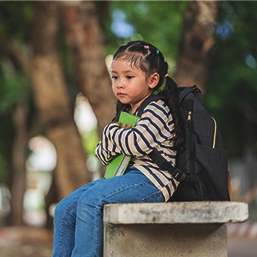
Fall doesn’t always look like a stressful season, but for some kids, it’s when anxiety starts to stir. One day, the sun starts setting before dinner. And, just like that, the wide-open feel of summer gets replaced with tightly packed calendars, crisp new notebooks, and the start of something a little heavier.
We tend to assume that summer is when kids recharge, and that fall, with its rhythms and routines, brings balance back. And sometimes, that’s true. Structure can sometimes soothe big feelings. But for many families, the shift into fall brings a different kind of stress: a slow build of academic, social, and emotional expectations that quietly exert pressure.
Why Autumn Anxiety Happens to Some Kids: According to Norton's Children's Medical Group, autumn anxiety is the tendency for people to suffer from low mood during the fall months. Psychologist Katy Hopkins explains," With the days slowly getting shorter, serotonin levels start dropping, which can contribute to feelings of anxiety.”
The Back-to-School Whiplash: For many kids, the most substantial fall adjustment is a return to school, which means new teachers, new classmates, harder content, and different routines. And with all of that comes a silent pressure to perform, impress, and improve.
Even kids who enjoy school can struggle with this transition. Going from the openness of summer to the rigidity of classrooms is like slamming on the brakes. One minute, they’re barefoot in the backyard; the next, they’re being told to take out their notebooks.
Experts say that even positive transitions can trigger anxiety for some kids because they represent uncertainty. Licensed clinical social worker and author of Why Is My Child In Charge?, Claire Lerner, explains, "Transitions are hard for many kids, even when they are moving onto an activity they love. Moving from one thing to another requires shifting their energy and focus, which can feel overwhelming."
Unfortunately, younger kids don't always have the vocabulary to define anxiety in concrete terms like “I’m afraid I won’t make friends.” And older kids don't always share what is bothering them. So their anxiety spills out in other ways – tantrums, school refusal, stomachaches, or bedtime meltdowns. And that’s before the homework starts piling up.
The Overscheduled Spiral: Outside the classroom, fall can bring an explosion of activities. Soccer practice, dance class, music lessons, tutoring – the list goes on. These are all good things – until they become overwhelming. Yes, they can go to three after-school activities. But should they? Just because something is enriching doesn’t mean it’s not exhausting. Sometimes, less is the best thing for a kid’s nervous system.
"The more kids have on their plates, the more pressure is on. Kids are going to feel that pressure, and that's going to increase their anxiety," says family therapist Rebecca Hoffmann.
Friendship Fumbles and Social Shifts: In addition to academic anxieties, there's the social side of fall – one of the trickiest parts. Friend groups shift, seating charts change, and those easy summer playdates become quick, high-stakes school interactions.
For shy or sensitive kids, lunchtime can feel like a minefield. Group projects feel like auditions. And that underlying fear of not belonging can feel deeply unsettling. Unfortunately, social anxiety can sometimes look like normal behavior. It can look like avoiding group homework. Or not mentioning the class party. These aren’t just little worries. They’re signals to look a little closer.
The Hidden Weight of High Expectations: As the fall weeks march on, the pressures begin to build. Teachers start assigning more. Parents start expecting more. And kids feel the weight of those expectations. They might hear phrases like, “You’re in third grade now, you should know better.” Or “Middle school means being more responsible.” Another example is “High school counts. These grades matter.”
We don’t say these things to scare them. But they often land harder than we think, especially for kids who are already trying to please everyone. Sometimes anxiety doesn’t come from actually failing. It comes from the mere possibility of falling short.
What Can Parents Do?: Here’s the hopeful part: Anxiety isn’t the enemy. It’s information to nudge you to take another look. And while you can’t clear every obstacle in your child’s path, you can offer them tools, support, and reassurance. And you can be the calm in the chaos.
Listen Without Fixing: Start by listening. When your child says, “I’m overwhelmed," either with words or behaviors, resist the urge to jump into fix-it mode or to give motivational speeches. Just offer something like, “That sounds like a lot. I’d feel overwhelmed too. Want to talk about it?”
Guard Their Quiet Spaces: Be intentional about their downtime. A blank afternoon might feel unproductive on paper, but to your child’s nervous system, it’s a full recharge. Let them daydream, wander around with the neighborhood kids, or even catch a nap.
Keep routines predictable enough to feel safe, but not so rigid that they become suffocating. Some nights, that math worksheet can wait. Reading under the covers might matter more in the long run.
Mind What You're Modeling: If you’re constantly rushing, sighing at your schedule, or criticizing yourself for falling behind, your child is watching. Let them see you rest. "If your child sees you running, and never sitting down or relaxing, that's sending a message about how they should perform," reminds Hoffmann.
Know That Fall Is a Season, Not a Sprint: Yes, fall is busy. And yes, it’s a big shift in routine and mindset. But it’s also full of beauty and shorter days that remind us to slow down. And with your support, fall can also bring growth, connection, and the quiet confidence that comes from knowing that your kids can handle whatever the season brings.
Fall Activities That Actually Help You Connect
It’s not all about the leaves or lattes. It’s about showing up for each other. Here are five easy ways to do it.
1. “Unplugged Hour” Outdoors or In: Choose one night a week where everyone ditches their devices. Take a family walk, sit on the porch, or sprawl on the living room floor with a game or a puzzle. It’s amazing what kids share when screens aren’t stealing their attention.
2. Make a “Cozy Corner” Together: Let your child help build a nook with pillows, books, soft lights, and their favorite quiet-time items. Then use it for solo wind-down time or for curling up together.
3. Try a “Low-Key Bucket List”: Make a list with your kids, not of must-do events, but of moments that feel good. Examples might be watching the changing sunset, noting the leaf changes while taking a walk, or just sitting outside and doing nothing other than listening to nature. Checking off small joys beats chasing perfect fall photos.
4. Art or Craft with a Twist: Skip the elaborate setup. Use what you have – paper, leaves, old magazines – and make art that expresses how your child is feeling: Let them draw out their week as a cartoon or collage their happy places. Let the conversation flow as you create art side-by-side.
5. Soup and Conversation: Make an easy, cozy dinner, and ask everyone to share something good and something difficult from their week. Then discuss what you're looking forward to. This is a gentle, repeatable way to open dialogue and remind your kids they’re heard.
Shannon specializes in writing about families. Her son recently enthusiastically replied, “Cool mom!” when she confided her dream of writing fiction.
See our related articles:







Calgary’s Child Magazine © 2026 Calgary’s Child