
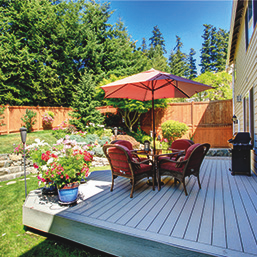
For a long time, the ideal family yard was easy to picture. It typically featured a big lawn, maybe a playset off to one side, and enough open space to let the kids and dogs run around.
This setup still works for some families, but more and more homeowners are starting to rethink how they want their outdoor spaces to feel and function. Calgary summers are getting hotter and drier, schedules are busy, and people are realizing that they don’t necessarily want more yards to maintain. Instead, they want spaces that feel comfortable, usable, and connected to everyday life.
This shift changes the kinds of questions people ask when they start planning outdoor projects. They consider not just “What should we plant?” but “How do we actually use this space?” and “What would make it work better for us?”
Why the shift? Because the best yards aren’t built around trends or perfect inspiration photos. They’re built around real life and the understanding that life changes.
For some families, this initially means keeping lots of open space to play. For others, it means more shade, better gathering areas, privacy from neighboring houses, or simply making the yard feel softer and less exposed. Many homeowners also reach a point where they realize they’re maintaining large sections of lawn that nobody really uses anymore.
One thing people often discover once they start planning changes is that different professionals help with different parts of the yard.
If the project involves grading, patios, retaining walls, irrigation, or major construction, a landscaper is usually the right place to start. But if the focus is more about planting, garden beds, seasonal interest, or improving how the yard feels over time, working with someone focused on horticulture and planting design can make just as much, if not more, of an impact. A layered planting bed along a fence line, trees that create shade as they mature, or a seating area that feels connected to the garden instead of sitting in the middle of an empty lawn can completely shift how a space feels.
Before making changes, it also helps to spend some time simply paying attention to how the yard already functions. Where do (or where will) people naturally gather? What areas get ignored? Where is the afternoon sun the strongest? What feels awkward or unfinished? And maybe most importantly, how much maintenance realistically fits your life once summer gets busy?
Those answers usually tell you far more than looking through social media or walking through the garden centre choosing whatever happens to be flowering that weekend.
Most yards that feel overcrowded didn’t happen overnight. A shrub gets planted one year. A few perennials get added later. Something else gets squeezed into an empty corner. Over time, the space slowly loses structure without anyone really noticing.
And in Calgary, those decisions matter long term. Wind, dry conditions, reflected heat, drainage, and exposure all affect how well plants perform over time. Something thriving in one neighborhood may struggle only a few blocks away.
That’s why starting with a plan matters.
One of the most helpful things homeowners can do is have a planting plan created that can be built gradually over time. Garden beds are an investment, and they rarely need to be completed all at once to feel impactful. A good planting plan creates structure early while leaving room for the space to evolve over the years. It also helps avoid common issues later on, like overcrowding, poor plant placement, or repeatedly buying plants that were never suited to the conditions in the first place.
For homeowners not ready to commit to permanent garden beds, seasonal containers can also be a good starting point. They soften entries, patios, and gathering spaces quickly, while helping people experiment with how they want the yard to feel before making larger changes.
Outdoor spaces change as families grow and routines shift. The yards that feel best long term are rarely the ones that were installed all at once. They’re the ones that evolved thoughtfully over time.
Good family yards don’t need to feel overly designed or complicated. Usually, they start with paying attention to how the space is already being used and building from there.
Tracy is with Bloom Culture, where they craft nature-inspired beauty for every space and season, making it even easier for families to enjoy the wonders of flora. Visit them at bloomculture.ca to discover how they can help you create beautiful indoor and outdoor spaces that thrive.
See our related articles:







Calgary’s Child Magazine © 2026 Calgary’s Child