
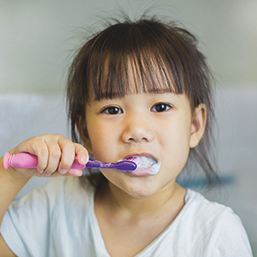
Getting out the door in the morning can feel like a lot with a six-year-old. Getting dressed, eating breakfast, brushing teeth, finding shoes, and remembering the backpack can turn into a steady stream of reminders.
But that everyday routine is also an opportunity. When children practice the same steps regularly, they’re building skills that help them remember, plan, focus, get started, and become more independent. Let’s look at a morning routine for a six-year-old.
Why Do Routines Matter?
Executive function skills help kids:
Routines also give kids a safe, predictable place to practice these skills over and over again.
Think of Routines as Brain Practice
At first, your child might need you to guide them through every single step.
“Get dressed.”
“Now brush your teeth.”
“Where’s your backpack?”
“Did you get your water bottle?”
That’s okay!
But the goal is to gradually shift some of that thinking from your brain to theirs.
A Morning Routine at Age Six
A simple routine might be:
Keep the order as consistent as possible. Predictability makes it easier for the brain to learn the sequence.
Make the Routine Visible
Instead of reminding them of every step, put the routine somewhere they can see it.
Try:
Now instead of saying: “Go brush your teeth!”
Try: “Check your morning routine. What comes next?”
That little change matters.
This Builds Working Memory
Working memory is our ability to hold information in our mind while we use it.
Instead of you saying: “Get dressed, brush your teeth, and grab your backpack.”
Your child starts thinking: “Okay… I’m dressed. What comes next?”
With repetition, they begin remembering more of the routine without your help.
It Also Builds Task Initiation
Task initiation means being able to get started without someone constantly prompting you.
At first: “Okay, time to get dressed!”
Eventually: Your child wakes up, looks at their routine, and starts step one.
That’s a big executive function skill developing in a very ordinary moment.
It Teaches Planning and Sequencing
Morning routines teach kids that some things need to happen before other things. Pajamas come off before clothes go on. Breakfast happens before brushing teeth. Shoes go on before we leave.
Over time, their brain gets better at asking: “What do I need to do, and in what order?”
That’s planning!
The Goal Isn’t a Perfectly Independent Six-Year-Old
They’re still six.
They will forget things.
They will get distracted.
They will need reminders.
Some mornings will be a disaster.
The goal is to slowly move from: “I will manage your morning for you” to “I'll help you learn how to manage your morning.”
Start Small
Pick one routine your child does every day.
Make the steps:
Predictable
Visual
Age-appropriate
Practiced repeatedly
Then, gradually give less prompting as their skills grow because routines aren't just about getting out the door on time. They’re practice for the executive function skills your child will use for the rest of their life.
Joanna and Lara (Registered Psychologist and Child Mental Health Advocate) started Psyched About Kids (PAK) in 2016 because they are obsessed with human potential! PAK empowers parents with science-backed knowledge, strategies, and tools to solve our most pressing parenting issues today and make life a little easier, along with ongoing support to implement the desired change. Learn more at psychedaboutkids.com.
See our related articles:






Calgary’s Child Magazine © 2026 Calgary’s Child