
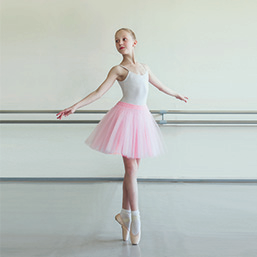
There is nothing like watching one’s child do something they love and seeing them hit it out of the park! That’s because it doesn’t happen all that often. Much of the time, things are fairly ordinary as you sit on the sidelines of practices, plays, recitals, sports, debates; and, sometimes, kids have a really bad day (which is awful to watch)!
What can you say to celebrate their joy, or console them when things didn’t go their way?
There are two key phrases that can make all the difference. These can be used separately or together, and in any order. Sometimes it can be helpful to use them as a sandwich: Message One – Message Two – Message One.
Message One
“I love watching you [insert verb here].”
“I love watching you dance!” “I love watching you play hockey!”
This message is not about how they did, it’s just about your love for sharing something with them. It doesn’t mean you love them more because they did well, or less because they lost the game. You just love them and love watching them.
Message Two
“How did that go for you?”
This is something you can say no matter how the “thing” went. Maybe you thought they did well, but they felt it went bumpier than expected. Maybe you’ll say, “That was awesome!” But inside their head, they may be thinking, “They’re lying. I messed it up. They’re just trying to be nice.”
Your hope of pumping them up with praise might leave them feeling that you are dishonest and their internal dialogue will leave them feeling flatter than before you said anything.
When you ask about their experience, you get a peek inside their process and their feelings. You can listen and empathize. You don’t have to get them to change their mind – just listen and nod.
If the team didn’t win the game, or if the situation didn’t go smoothly, rather than offering a platitude, you can genuinely say, “How did that go for you?”
You may hear about their disappointment, and you may also hear about something that went well which you completely missed. Kids often see things differently than their parents.
When you listen to their experience, you are also teaching your child to notice that how they feel about something matters as much as how others feel (possibly even more).
Of course, you may just get a shoulder shrug – they don’t know how they feel about what happened, they can’t put it into words, or they’re too tired to talk about it. That’s when you revert to message number one: “I love watching you…” or, “I’m glad I got to be here to see you.”
Then, you don’t have to say anything else. The ride home from an activity doesn’t have to be spent critiquing, reflecting, or anything else. You could put on some tunes or tell a story about something that happened in your day.
When and if your child wants to talk about it further, they will.
While you’re thinking about this, here’s what not to say after you watch your child:
If reading this makes you want to start using these messages, make a note in your calendar on a date where you will next watch your child. Add these two simple messages and you’ll be reminded right before you check in with them. Knowing what to say in tricky times may give you the confidence to parent in a way that feels right to you. Good luck!
Author, blogger, podcast host, and parenting expert, Julie Freedman Smith has been supporting parents across North America for 20 years. Through her company JFS Parent Education, she helps parents find relief from their everyday parenting challenges. Want to know how she can help you? Email her today:
See our related articles:







Calgary’s Child Magazine © 2026 Calgary’s Child