
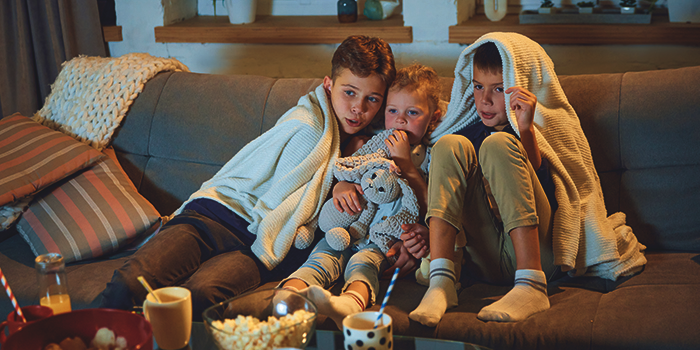
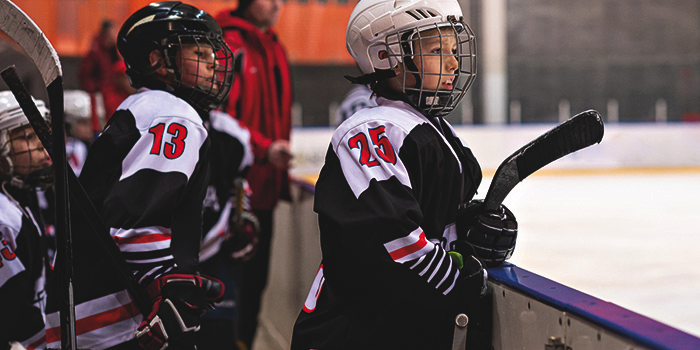


For many kids, building friendships comes as naturally as breathing in air or waking up in the morning. For others, the process is filled with landmines of fear, anxiety, and discouragement. Experts agree that friendship-building is a skill - it can be learned.

Recently, my youngest daughter has become reliable about brushing her teeth (I can tell because the sink is now filled with gobs of toothpaste when she claims to have brushed). Before this development, though, her routine was to pretend to brush her teeth, only for me to find a dry sink and a dry toothbrush afterward. How she went from someone determined to pull one over on her unsuspecting parent to someone who now brushes so enthusiastically that the sink suffers from her efforts was partially a matter of awaiting her maturity. But, as parents, we want to do more than just wait and hope, and there are steps you can take to drastically reduce lying and guide a child toward honesty.
Angelic images of smiling siblings make crowd- pleasing Facebook fodder, but the reality of life with two or more children is decidedly less picture-perfect. According to research from the University of Toronto, toddler-age siblings clash more than six times per hour. On average, siblings under the age of seven fight every 20 minutes. And fights that get physical can leave lasting physical and emotional scars. If sibling fighting is stealing the peace in your household, read on for relief.

It was the day after Halloween when my five-year-old daughter had an ‘important’ question for me: “How many more days until Christmas?” she asked. “It is still almost two months away,” I responded. She stood her ground, hands on her hips, clearly not satisfied with this news. “Okay then, what about Easter?” was her follow-up. “Even longer!” I said, laughing at her persistence.
Page 32 of 97






Calgary’s Child Magazine © 2026 Calgary’s Child