
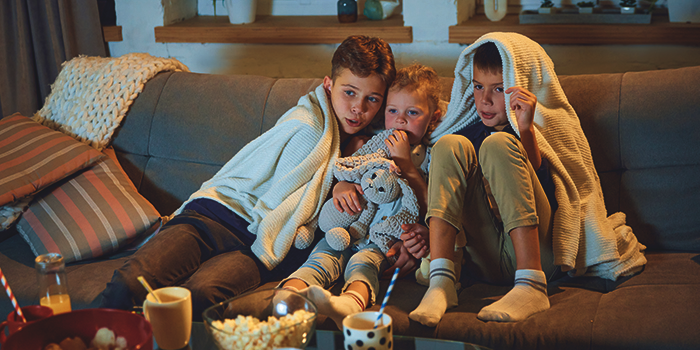


There are hundreds of strategies for changing behaviors and what strategies and methods you choose is dependent on your child’s needs, abilities, and also your time and means to achieving a behavior goal. Underlying reasons of why a behavior is occurring needs to be considered when choosing an approach; however, these list of tips - no matter the child’s level of functioning or underlying reasons why - apply to implementing your chosen approach.
Part of the parenting job is to teach children proper socialization and to be considerate of others in public places. These skills will help children get along harmoniously with their future teachers, friends, co-workers, bosses and in-laws. Learning the etiquette of parenting takes practice and noticing what are the norms in North American society. If you are inexperienced with children of a particular age or stage, it might be helpful to learn a bit about child development, which explains why kids do what they do.

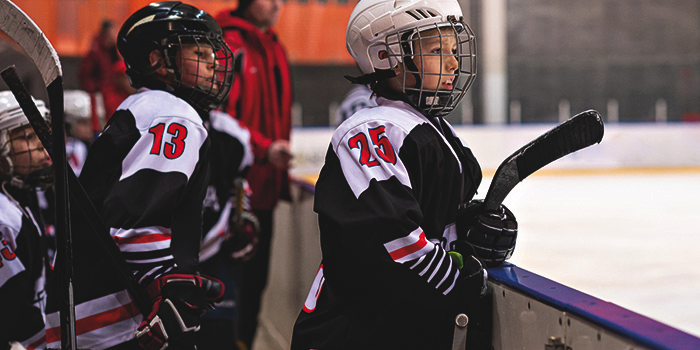
It’s easy to see who the stars are – in a play, on the ball field and even in the classroom. Kids can identify with what makes those people important to the show or team. Yet we know that most of those wouldn’t have achieved their success without the aid of others. Of course, that’s a pretty heady concept. But accepting a lesser position in support of a larger undertaking is a life skill kids can, and should, learn. And most likely it’s a skill they’ll have to practice soon.
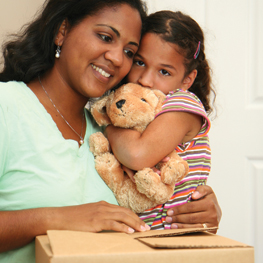
Changing addresses - and sometimes schools, communities and friends - is a rite of passage for millions of children. While a new hometown can be exciting, expansive and fun, it can also make a child’s world feel topsy-turvy. Here’s age-by-age guidance on helping children take a move in stride.
Page 62 of 97






Calgary’s Child Magazine © 2026 Calgary’s Child