
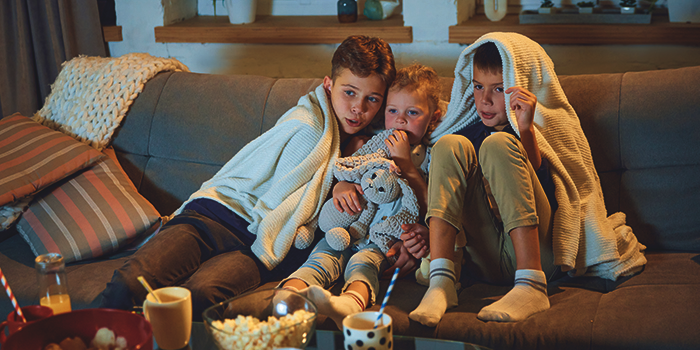
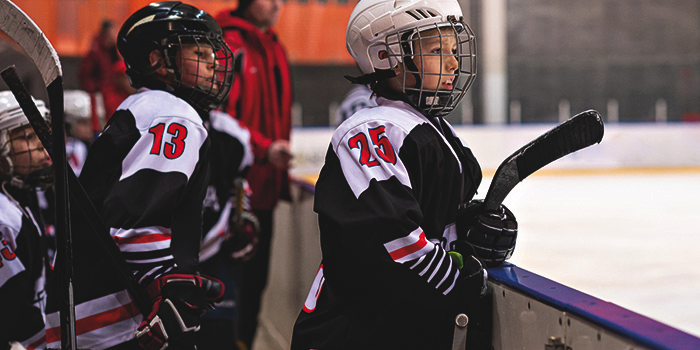

Neither of my kids, who are eight and ten, have so-called ‘bad tempers.’ But I’ve noticed that if they’re around each other too long, such as when they’re home together during the summer, they start to get on each other’s nerves. By the end of a typical day, if I’m not careful, someone will be ‘losing it.’ Sound familiar?
Situation: We’re about to take a long car trip. If history repeats itself, the kids will fight, bicker and whine, and I’ll be the one asking, “Are we there yet?”

Before exploring the ABCs, let us establish the definition of discipline. It’s not nagging. It’s not punishing. It’s not lecturing or moralizing. It’s not losing our cool and having a hissy fit. Discipline in its simplest terms means to teach. Here is a definition from the Webster’s Dictionary: Dis’ci’pline, noun: The treatment suited to a disciple or learner; education; development of the faculties by instruction and exercise: training, whether physical, mental, or moral.
Summer vacation brings a welcome break to the hustle and bustle of the school year. For some parents, however, the mere thought of an extended break from the routine and structure that the school year offers is enough to make them feel like they need a one-way ticket to a vacation island of their own.
Whether you’re eagerly anticipating the summer months or dreading their return, the following are a few things you can do to ensure a smooth transition into the summer break and insure you make the most of your family time together.
Page 91 of 97







Calgary’s Child Magazine © 2026 Calgary’s Child