
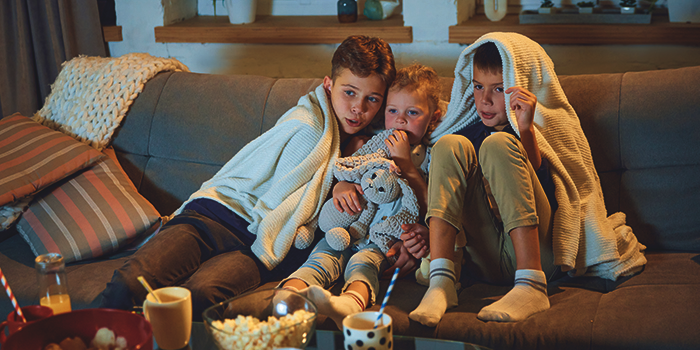
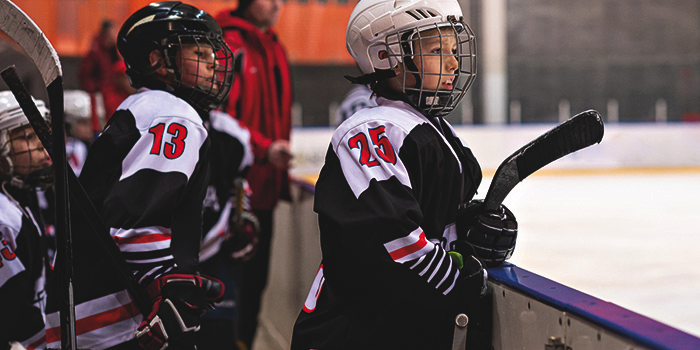


Your son tried out for the junior high basketball team and didn’t make it. Your daughter wanted a part in her school play, but wasn’t chosen. Your youngest child failed an important math test. What is your response when your child goes through disappointments and outright failures? Perhaps a better question to ask is: What can you teach your children through the inevitable disappointments and failures of life?
How many organized after-school activities are necessary and healthy for your kids? It is definitely important to encourage extracurricular activities. Too much downtime is inevitably spent watching television, playing on a mobile or a tablet and bickering with siblings. In addition, it is important for kids to learn how to balance mandatory activities like homework, household chores and tooth brushing with their fun, elective activities. For many kids, building friendships comes as naturally as breathing in air or waking up in the morning. For others, the process is filled with land mines of fear, anxiety, and discouragement. Experts agree that friendship-building is a skill that can be learned.
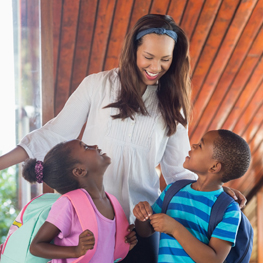
As children rise early, don their backpacks, and return to school, many parents will spend their days eagerly awaiting the opportunity to reconnect with their kids and hear all of the details about what they learned and experienced during their hours away from home. Too often, though, parental queries about their children’s school day are met with brief, non-descript responses: “We didn’t really do anything”; “I don’t remember”; “It was fine”; leaving parents feeling very much on the outside, struggling to peer in.

Everyone has to deal with feelings of anger and frustration. While these feelings are normal, it is important to teach kids how to appropriately deal with them. Parents and kids can work as a team to come up with strategies to handle anger and frustration. Working together to prepare a plan in advance will help your child learn how to calm down and discuss why these feelings occurred. Once your child finds a calm- down technique that works best for them, encourage them to use that strategy whenever they start to feel upset or angry.
Page 46 of 97







Calgary’s Child Magazine © 2026 Calgary’s Child