
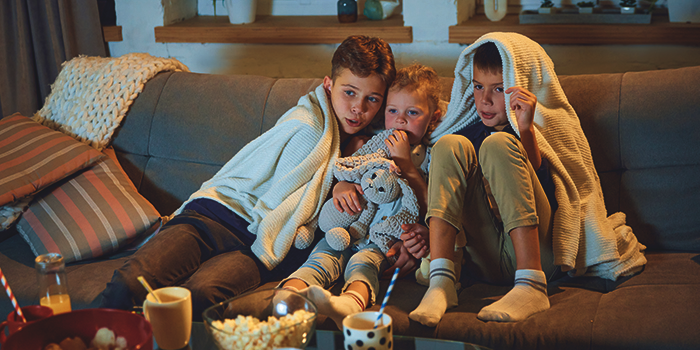


For many years, the American Academy of Pediatrics (AAP) had strict rules about screen time - no exposure for kids under two and no more than two hours a day for preschoolers. Last December, the Academy abandoned those guidelines, acknowledging what parents already knew: screens are everywhere.
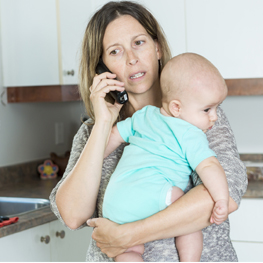
Carpool? (Check.) Work? (Check.) Lunch break? No. Pay bills and schedule doctor visits? (Check.) Pick up kids? (Check.) Homework? (Check.) Worry about bullying? (Check.) Made dinner? (Check.) Referee sibling squabbles and then collapse on the couch? (Check.) Single parents have important (and seemingly endless) responsibilities. Unless you have super powers, the stress of doing it all yourself can be overwhelming. But asking for assistance isn’t easy.
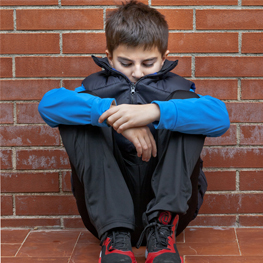
Tony was eight years old when his parents separated and later divorced. When his dad moved out, it was very traumatic for his mother. She cried and screamed. His dad didn’t say good-bye to him or explain what was going on. His mom later explained that his dad was going to live somewhere else and Tony could go to see his dad some weekends at his dad’s new place if he wanted to. But Tony’s mom told him with tears in her eyes when she told him about it. Tony loved his mom and didn’t want to see her in pain, so he decided there and then that he would not talk to his mom about the divorce again.

By definition, physical literacy comprises a complex blend of movement skills, physical awareness, cognitive understandings and even general attitudes about physical activity and sport. Researchers who study the subject produce sophisticated tests and measures for deciding who is physically literate and who is not, and they have a laundry list of criteria they examine in the process.
Page 48 of 97







Calgary’s Child Magazine © 2026 Calgary’s Child