
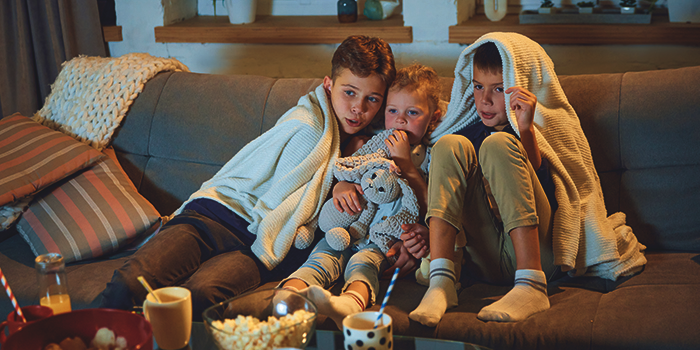



“It’s the worst day of my life” is a common refrain from my son. When I pick him up from an activity or from school, he often starts with his list of what was wrong with his day. For a person who strives to find the positive and keep her sense of humor, it can be challenging to parent a child who tends toward the negative. My standard comeback is that he needs to tell me an equal number of positive comments to balance the negative ones. Sometimes this reduces the list of complaints and, at the very least, teaches him perspective.

Driving home, you ask your kids what happened at school today. Your son mumbles, “Nothing,” in his casual, ‘I-dare-you-to-ask-for-more-information’ kind of way. Before you can follow up, your daughter chimes in, “I hate Maddie. She told Sarah she thinks my hair is ugly, and now Sarah won’t let me sit with them at lunch. They’re not my friends anymore. I hate them both.”
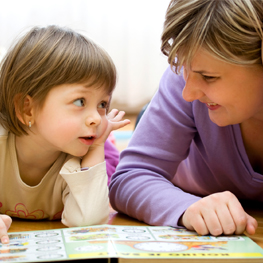
Every child reacts differently to news that a new baby is coming. Some children will be very excited and can’t wait for the baby to come. Other children may be hurt or worried that you’ll no longer have time for them - although they might not be able to tell you that. Your older child may be just learning to share. When a new baby arrives, your older child must learn to share the most important thing to them: your love and attention.

“Should I intervene, or let them work it out?” This is the question every parent contemplates when kids argue with each other. Two opinions prevail: “Yes, intervene! It’s worse when they are left to work it out themselves,” or “No, they will never learn to get along with others if an adult manages their squabbles.” In truth, most parents respond far less consistently during an argument, staying out of it until they just can’t take the fighting anymore, then swooping in to strong-arm the situation into resolution.
Page 55 of 97







Calgary’s Child Magazine © 2026 Calgary’s Child