

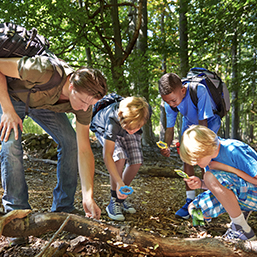
Getting kids off their devices and sending them outdoors is something we hear a lot about these days. Experts have been telling us for years that outdoor play is essential for healthy child development. In 2015, the Council of Chief Medical Officers of Health in Canada released this statement: "Access to active play in nature and outdoors – with its risks – is essential for healthy child development. We recommend increasing children's opportunities for self-directed play outdoors in all settings – at home, at school, in child care, the community and nature." In 2020, the COVID-19 pandemic really brought to the forefront the physical and psychological benefits of being outdoors.
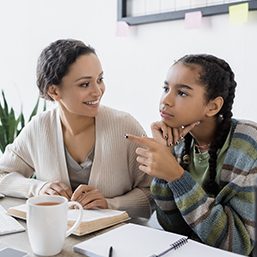
There are many students who put off work until the last minute. Although their reasons vary, one thing is for sure – procrastinators underestimate the time it will take to complete their work and overestimate how much time is available to do it.
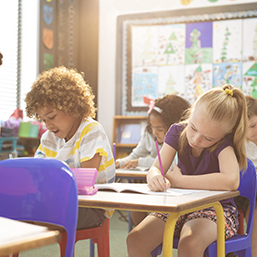
The exam results are in!
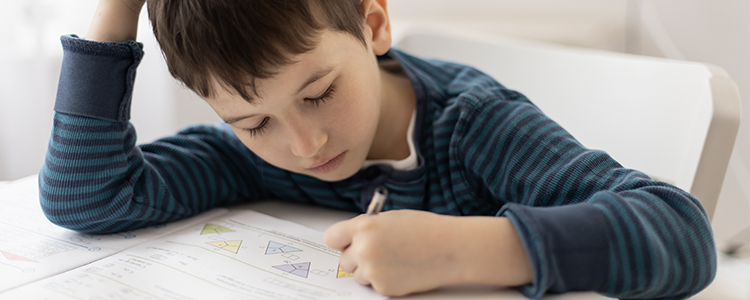
Your child brings home a bad report card. Your first instinct may be to punish them to make them raise their marks. However, will that really solve the problem? We know from research in the workplace that punishment never solves motivation or performance problems, so why would it work for children?
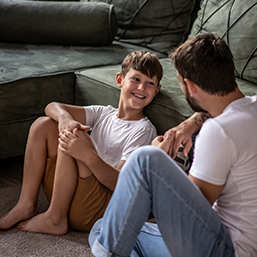
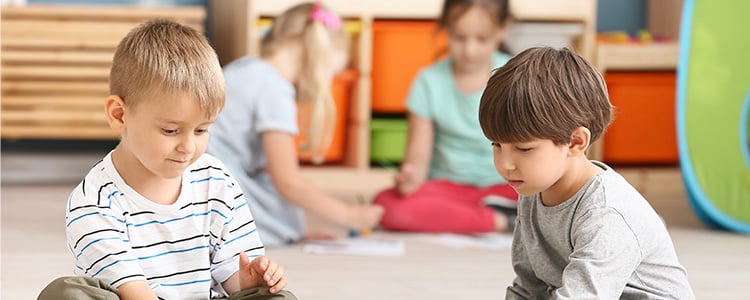
We all want our children to be happy, healthy, and to have friends. We send our children off to school with the hope they will create meaningful connections, and are heartbroken when this doesn’t happen. While it’s natural for some children to take time to warm up to new social environments, persistent difficulties in making friends or feeling accepted can impact self-esteem and overall wellbeing. Building social skills and fostering friendships is essential to development and good mental health. So, how do we help our children build relationship skills? It all starts at home.
Page 8 of 53







Calgary’s Child Magazine © 2026 Calgary’s Child