


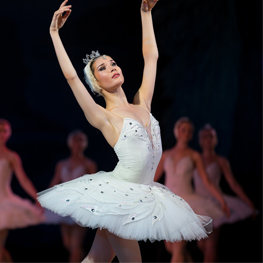
If I have observed one thing after a decade of having a school-age child, it’s that the arts motivate kids to perform better in school. Sure, my daughter comes from an artsy family already. Her mom is a writer, and her dad is a theatre director, but she’s not an extension of us; she is uniquely herself, and her exposure to a wide variety of arts helps her discover her own passions, proclivities and personhood.
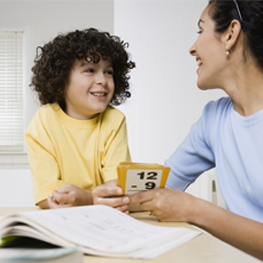
School should be an adventure in learning, and so should life. But if you have not taken the time to observe how your child learns best, your child might be struggling in school unnecessarily. Identifying prominent learning styles in children is crucial in helping them identify their strengths and overcome their weaknesses as they progress into a more diverse spectrum of courses grade after grade. We often needlessly separate creativity from learning. But when parents help children understand their dominant learning styles, parent and child can both use this knowledge to improve the child’s experiences, not only in school, but also in life.
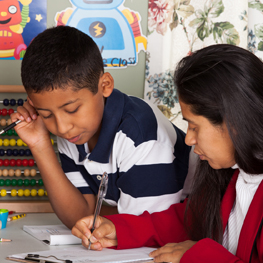
Although I’ve been home schooling since day one with my oldest and never looked back, I know plenty of people who didn’t start home-schooling until their kids were well into elementary school and beyond. Whether you are just starting your home school journey with a kindergartner or have just taken your high schooler out of school, here are some common mistakes many home schoolers make starting out and how to avoid them. Keep in mind, there is no perfect way to home school, and every family has to do what’s right for their educational and sanity needs!
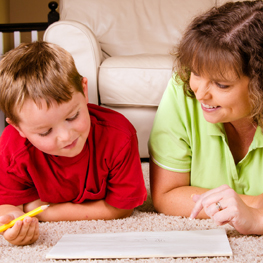
1. Start a family storytelling (and writing) tradition. Look through old family photographs. Tell your children stories based onwhat the photos show. Point out family members. Talk about what was happening. Then look at more recent photos and ask your child to tell a story based on what they see and remember. Together, write the story stimulated by the photo.
Page 7 of 15







Calgary’s Child Magazine © 2026 Calgary’s Child