

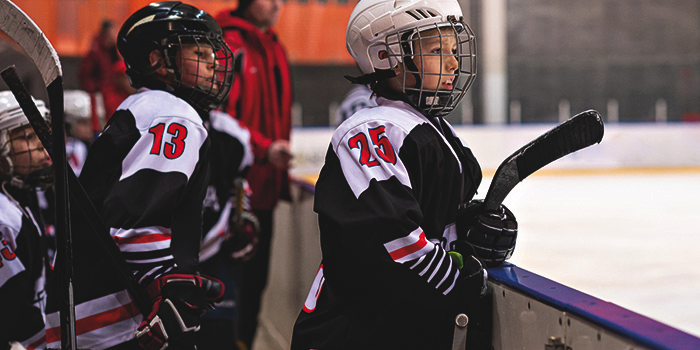


Not every child is a natural bookworm, and even those that are might inadvertently not read as much once summer arrives and school’s out. Why is summer reading important? Because the loss of reading skills over summer is real. But don’t worry, you can help your child be school-ready for fall by encouraging consistent and independent reading while they’re on break. There are several ways to do so.

“We need to talk.” This simple phrase is generally harmless, and is really quite neutral.
But, for some people, hearing these words can cause deep and intense waves of anxiety and stress. This can result in excessive and unwarranted avoidance, fear, and a deep-seated need to somehow make things right (even though there may well be nothing wrong in the first place)!
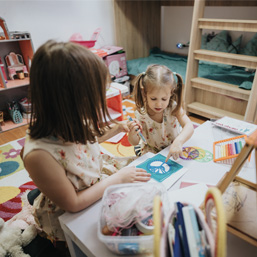
Many children grow up sharing a room with a sibling. This living arrangement is convenient for families, can be lots of fun for the kids, but can also become dramatic and frustrating in an instant. Late-night giggles, whispered conversations, and the comfort of not being alone can be great parts of sharing a space. But, along with those joyful moments, can come arguments about noise, mess, toys, or who is touching whose things. Although sharing a bedroom is a practical reality for most families, it can become a learning opportunity for important life skills. For example, just like adults who share spaces, children need to learn how to communicate and respect each other’s needs. Conflict is completely normal, but there are ways we can troubleshoot when sharing a space goes wrong.
Introduction
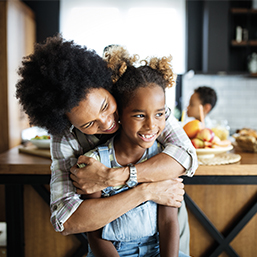
In today’s relational landscape, particularly in parenting, emotional closeness, involvement, and responsiveness are highly valued. While these qualities are important, they can unintentionally foster co-dependency when a child begins to feel responsible for a parent’s emotional well-being, or when a parent struggles to tolerate a child’s discomfort, mistakes, or growing independence. Over time, these dynamics may interfere with a child’s development of confidence, emotional regulation, and healthy boundaries.
Page 5 of 98







Calgary’s Child Magazine © 2026 Calgary’s Child